














 EU Banking Authority Pushes for Stricter MiCA Rules to Govern DeFi Lending and Stablecoin Yields
 Article Contributors


 Fact checked by
 Read Time: 1mins
 Published: 25/09/2026 | Updated: 16/10/2026
Regulatory Expansion
While MiCA officially entered into application on December 30, 2024—following its earlier mid-2024 implementation for stablecoins—the baseline framework left decentralized lending, borrowing, and staking largely unaddressed.
EBA research reveals active crypto lending operations across at least 16 EU member states.
With the rapid evolution of autonomous protocols and artificial intelligence tools blurring the distinction between centralized platforms and decentralized networks, watchdogs argue that unmonitored lending poses emerging risks to consumer protection and financial stability.
Impact on DeFi Intermediaries
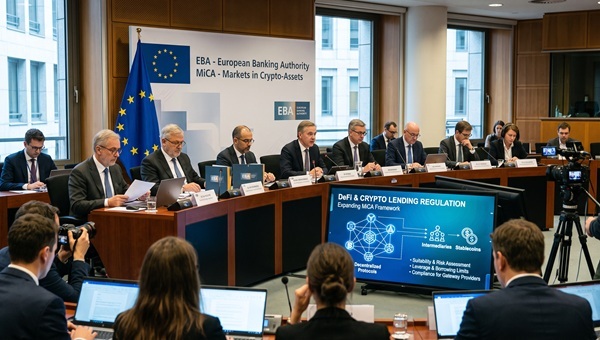
Under the EBA’s proposal submitted to the European Commission, intermediaries bridging retail capital with decentralized pools could soon face stringent operational mandates.
Recommended supervisory mechanisms include mandatory user suitability assessments, caps on financial leverage, enhanced risk disclosures, and potential protocol certification standards.
This regulatory shift directly targets current structural loopholes. At present, several European market operators separate their regulated custody and brokerage services from unverified credit and earn products.
Bringing lending gateways directly into MiCA’s defined legal services would eliminate these regulatory exemptions for firms operating within the European Economic Area.
Stablecoin Yield Scrutiny
The regulatory drive extends equally to asset-referenced tokens (ARTs) and e-money tokens (EMTs). The EBA, alongside recommendations from the European System of Central Banks, highlighted concerns over platforms offering indirect yield through staking, borrowing, or collateral arrangements involving authorized stablecoins.
Regulators argue these yield-generating mechanisms circumvent existing statutory bans on stablecoin interest payments.
Additionally, the EBA suggested reviewing cash deposit reserve quotas for token issuers to balance liquidity preservation with prudential risk management, noting that as of September 1, 39 e-money tokens were active under MiCA, while zero asset-referenced tokens had secured regulatory clearance.
Broader Legislative Outlook
These recommendations form a key technical input for the European Commission’s ongoing legislative review of MiCA. As public consultation feedback undergoes evaluation, any formal enactment will require fresh legislative proposals.
For market participants across the European Union, the message is clear: the boundary separating decentralized financial innovation from traditional market oversight is rapidly narrowing.


 eabungana@gmail.com

