














 Samourai Co-Founder Faces New Prison Transfer After Program Shutdown
 Article Contributors


 Fact checked by
 Read Time: 2mins
 Published: 28/09/2026 | Updated: 21/10/2026
Unexpected Facility Program Shutdown Threatens Early Release
Keonne Rodriguez, co-founder of the privacy-centric Bitcoin service Samourai Wallet, is facing another transfer across the United States federal prison network. The shift follows the abrupt deactivation of the Residential Drug Abuse Program at Federal Correctional Institution McKean in Pennsylvania, where Rodriguez had recently been housed.
According to a public update shared by Rodriguez on September 23, 2026, prison leadership informed participants that roughly 70 individuals enrolled in the curriculum would be moved to alternative institutions where the coursework remains active.
Enrolling in and completing the intensive treatment track enables qualified federal inmates serving longer terms to earn up to 12 months off their confinement duration. With Rodriguez serving a 60-month term, losing access to an active program site directly threatens his path toward an expedited release date.
A Four-Hour Drive Transformed Into a Month in Transit
The prospect of another relocation arrives shortly after Rodriguez completed what he characterized as a harrowing 30-day journey between facilities.
Originally stationed at Federal Prison Camp Morgantown in West Virginia, Rodriguez requested permission to complete the four-hour drive to Pennsylvania independently via a self-transfer furlough—a procedure often available to minimum-security individuals who surrendered voluntarily at sentencing.
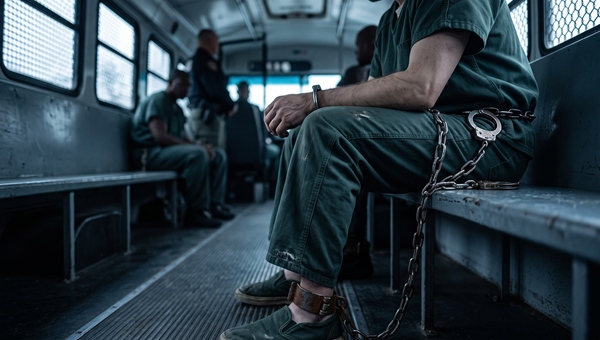
After authority figures denied that request without elaborate explanation, his relocation commenced on June 10, 2026. Rather than a direct highway trip, the route entailed heavy physical restraints, including ankle shackles and wrist cuffs attached to waist chains, followed by bus transport and multiple flights.
The route detoured through the Federal Transfer Center in Oklahoma City, where Rodriguez spent weeks locked inside cells alongside prisoners holding higher security classifications. In accounts published online, he recalled sleeping on a partial foam pad over a bare metal frame while sharing quarters with an inmate convicted of murder.
Legal Backdrop and Broader Developer Implications
Rodriguez’s five-year sentence stems from an August 2025 guilty plea regarding conspiracy to operate an unlicensed money-transmitting business. Federal prosecutors alleged that Samourai Wallet’s privacy features, such as Whirlpool and Ricochet, facilitated the movement of more than $237 million in illicitly sourced funds.
Alongside co-founder William Lonergan Hill, who received a four-year sentence, Rodriguez agreed to forfeiture judgments totaling over $6.37 million in fees, in addition to an individual $250,000 penalty.
The enforcement action against Samourai Wallet remains a focal point in broader debates surrounding non-custodial software creators.
On September 15, 2026, a Senate procedural vote fell short of advancing the CLARITY Act, a legislative proposal containing statutory protections intended to shield non-custodial developers from traditional money-transmitter registration mandates under the Bank Secrecy Act.
As legislative efforts remain stalled, Rodriguez awaits formal notification regarding his next correctional assignment.


 eabungana@gmail.com

