














 Washington Court Limits Kalshi Event Contracts Over State Gambling Violations
 Article Contributors


 Fact checked by
 Read Time: 2mins
 Published: 22/07/2026 | Updated: 22/07/2026


Defining the Limits of Digital Trading
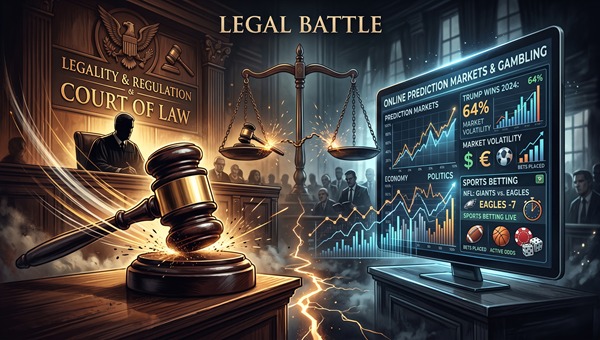
The legal battle centers on how these modern platforms structure their offerings. While marketing themselves as sophisticated financial exchanges where users trade event contracts, local regulators argued the mechanics tell a different story.
In the state of Washington, risking capital on unpredictable future outcomes for financial gain constitutes gambling—a practice strictly limited to specific tribal lands and banned on the internet since 2006.
Data presented during the proceedings revealed that despite the platform’s branding as a broad economic forecasting tool, the vast majority of its activity is heavily concentrated. Approximately 90% of user engagement and nearly 89% of the company’s revenue over the past year stemmed directly from sports-related contracts.
The platform had actively expanded these options, allowing users to wager on specific game outcomes, point margins, and individual athlete statistics. Beyond sports, the Kalshi prediction market hosted wagers on public health metrics, political races, natural disasters, and even specific statements made during federal hearings.
Federal vs. Local Oversight
In its defense, the platform argued that because it is registered with the U.S. Commodity Futures Trading Commission (CFTC), federal oversight completely supersedes local regulations. However, Judge McHale explicitly rejected this argument of federal preemption.
The court determined that the federal Commodity Exchange Act does not strip individual states of their historical power to police gambling within their own borders, noting that Kalshi could realistically comply with both federal and state mandates simultaneously.
The defense expressed strong disappointment with the decision, claiming that individual states lack the jurisdiction to interfere with federally supervised prediction markets. They pointed toward conflicting rulings in other jurisdictions, including the Third Circuit, as precedent for their position.
Next Steps and National Ripple Effects
While the broader lawsuit has not yet reached a final verdict regarding financial penalties or long-term damages, this initial injunction gives state regulators immediate leverage. The court ordered Kalshi to preserve all relevant records regarding local consumers immediately.
Both legal teams have until midday on August 3 to submit their proposed boundaries and restrictions for the platform’s operations before the judge issues a finalized order implementing the injunction on August 5.
This ruling marks another chapter in a widening national friction between emerging fintech platforms and local gaming commissions.
With similar restrictions already enacted in places like Nevada and Michigan and a recent federal court blow in New York, the boundaries defining where financial innovation ends and unauthorized wagering begins remain highly contested across the country.


 eabungana@gmail.com

