














 UNDP Solidifies Blockchain for Direct Humanitarian Relief
 Article Contributors


 Fact checked by
 Read Time: 1mins
 Published: 08/07/2026 | Updated: 12/07/2026


Uninterrupted Delivery
Beyond cost mitigation, the technical infrastructure proved remarkably resilient in unstable environments. During testing within the city of Aleppo, Syria, stipend distributions for community work projects maintained perfect execution metrics despite severe regional connectivity constraints.
Similarly, when local networks experienced complete blackouts in Haiti, the ledger system continued transferring funds without interruption. This resilience highlights a paradigm shift toward providing uninterrupted financial support to unbanked populations during acute crises.
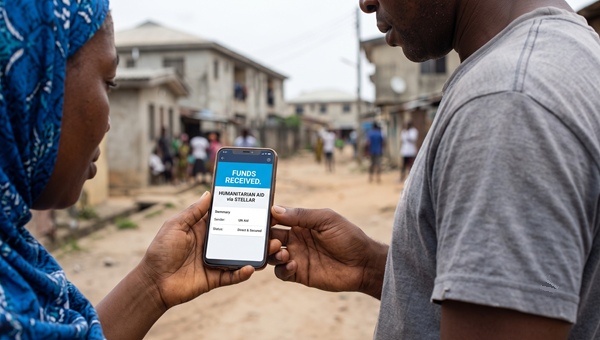
Standardized Integration
Following these successes, the initiative is moving past experimental phases toward full operational normalization. An agreement finalized on July 6, 2026, guarantees that the collaboration will persist through 2027. The objective now transitions toward embedding these digital frameworks directly into local branches worldwide.
This phase prioritizes drafting formal compliance guidelines, establishing operational parameters, and developing robust oversight protocols to ensure the institution’s long-term utility.
Systemic Validation
The ongoing strategy reflects a broader trend of utilizing decentralized systems within major multinational frameworks. On June 3, 2026, a specialized advisory collective comprising 26 entities was established to establish standard practices for decentralized funding, with technical leaders actively contributing to its foundation.
Furthermore, other prominent international bodies, such as the UN refugee agency, have successfully leveraged this specific network architecture since 2022 to support displaced families in Ukraine, further verifying the maturity and security of the underlying technology.


 eabungana@gmail.com

