














 Base Connects Crypto Wallets to AI Agents
 Article Contributors


 Fact checked by
 Read Time: 2mins
 Published: 01/06/2026 | Updated: 03/06/2026


Seamless Integration Across Ecosystem Apps
Beyond basic account balance inquiries and standard fund transfers, the tool expands into the broader ecosystem of decentralized finance. From launch, the protocol supports direct compatibility with several prominent applications operating on the layer-2 network, including Uniswap, Moonwell, Morpho, Aerodrome, Avantis, Bankr, and Virtuals.
This means an assistant could theoretically scout lending yields, check liquidity pool options, or analyze freshly launched tokens, reporting the findings back to the user within a single chat prompt.
A key benefit highlights the portability of the integration. Rather than forcing a wallet to operate solely within an isolated software developer terminal or a single application window, the user’s financial identity is synchronized across systems.
The account details, transaction history, and active balances update dynamically, ensuring an identical experience whether someone is talking to an automated bot or utilizing the standard mobile wallet interface.
Strict Safeguards Against Automated Exploits
Entrusting autonomous software with financial transactions naturally raises significant safety considerations.
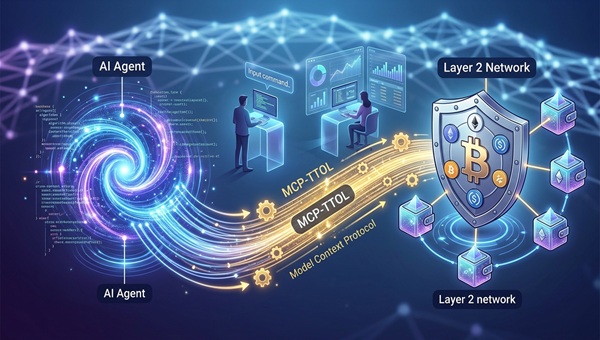
To mitigate these risks, the underlying architecture ensures that no AI model receives direct access to or ownership of a user’s cryptographic private keys. The system operates on a strict request-and-approval model: when a digital assistant devises a specific on-chain action, the host application triggers a separate, sandboxed verification screen.
[ AI Agent Drafts Action ] ──> [ Wallet Simulates Changes ] ──> [ User Explicitly Approves ]
This layout allows the user to see exactly how their token balance will adjust before finalizing the event. Nothing is permanently written to the blockchain until the human owner manually signs off on the transaction.
The security framework is particularly relevant following warnings from industry researchers, including experts from Google and major academic institutions, who advise treating autonomous bots as potentially untrusted vectors.
Security groups have pointed out that malicious code injected into development environments could alter an assistant’s behavior, making human verification an essential roadblock against potential exploits.
Powering the Micro-Transaction Economy
The launch of Base MCP also aims to accelerate the adoption of Coinbase’s previously introduced agentic payment standard, known as x402, which rolled out in early 2025. This setup allows bots to exchange tiny fractions of capital instantly to pay for external data, cloud compute, or web APIs using stablecoins like USDC.
Major cloud providers, including Amazon Web Services via its Bedrock platform, alongside financial networks like Stripe, have already integrated the x402 standard to handle automated computational bills.
While the concept of an AI-driven economy is moving forward, market data indicates it is still in its infancy, with early network volumes hovering around $1.1 million over the past month.
However, by establishing a standard bridge between large language models and smart contracts, this rollout provides the foundational plumbing for a future where software can transact autonomously, safely, and efficiently.



 eabungana@gmail.com

