














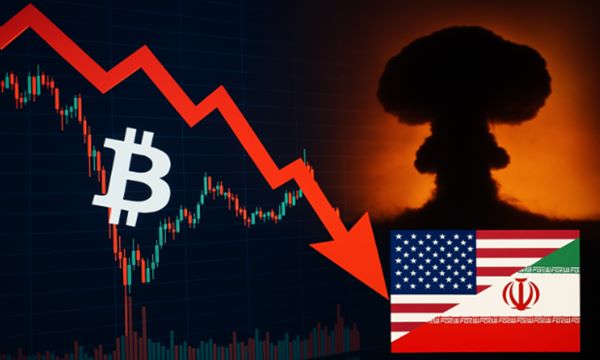
 Crypto Markets Dive as US Strikes Iran’s Nuclear Sites
 Article Contributors


 Fact checked by
 Read Time: 2mins
 Published: 26/06/2025 | Updated: 26/06/2025


Crypto Markets
Late Saturday, news broke of “precision strikes” that devastated Iran’s nuclear enrichment sites.
Crypto markets reacted with ferocious volatility.
- Bitcoin plunged over 4%, settling near $99,300
- Ethereum cratered nearly 9%, hitting lows not seen since early May.
The abrupt sell-off blindsided traders, amplifying the market’s sensitivity to the escalating crisis.
Within a single day, more than 240,000 leveraged positions across the crypto ecosystem were wiped out, with liquidations surpassing $1 billion. Bullish trades, accounting for roughly $595 million of the losses, were obliterated as the market turned sharply bearish.
- This cascade of liquidations laid bare the risks of high leverage during unforeseen global events.
As cryptocurrencies tumbled, traditional safe-haven assets like gold and U.S. Treasuries surged in demand. Bitcoin, once heralded as “digital gold” and a potential shield against geopolitical turmoil, instead moved in lockstep with speculative risk assets, behaving more like equities than a defensive hedge.
- This divergence has sparked doubts about crypto’s ability to serve as a reliable store of value in times of crisis.
Gold prices soared as investors sought stability, and Treasuries gained ground as a low-risk refuge. The contrast underscored a shift in market perception, with cryptocurrencies increasingly viewed as high-beta assets rather than safe harbors.
- This trend challenges the narrative that digital currencies can protect portfolios during global instability.
Ethereum breached a critical support level at $2,378, fueling bearish sentiment. Analysts cautioned that further declines could drive Ethereum toward $2,114 or even $2,036 if selling pressure persisted.
Bitcoin, meanwhile, slipped below the $100,000 psychological threshold, a level untouched since early May, prompting warnings of additional downside, potentially testing $93,000–$94,000.
On-chain data revealed heightened selling activity, and Bitedege’s chart analysts noted a decisive shift in momentum toward the bears. The combination of broken support levels and geopolitical uncertainty created a precarious environment for crypto investors, with few immediate catalysts to spur a reversal.
By Monday morning, crypto markets showed glimmers of recovery. Bitcoin clawed back above $100,000, and Ethereum regained footing near $2,200. Yet, the rebound was shaky, with risk-off sentiment still weighing heavily on traders.
- The fragile uptick offered little comfort, as the market remained exposed to further geopolitical developments.
Cryptocurrencies have repeatedly stumbled during geopolitical flare-ups, only to rebound once tensions ease. Similar sell-offs occurred after Israeli strikes in mid-June and a U.S.-led action in April, with crypto mirroring equities’ volatility rather than safe-haven assets. assets like gold.
- This behavior undermines claims that digital currencies can serve as crisis hedges.
Broader Market Fallout
The weekend’s shocks rippled beyond crypto, foreshadowing trouble for equities when markets reopened. Analysts expected a rotation into Treasuries and gold, while oil spiked over 4% on fears of supply disruptions in the Strait of Hormuz. Rising energy costs added inflationary pressure, complicating the outlook for risk assets.
Key Drivers to Monitor
- Geopolitical Risks: Escalation in U.S.–Iran tensions or further Israeli actions could hammer crypto again.
- Risk Sentiment: Continued liquidations may fuel selling pressure among leveraged traders.
- Technical Levels: Bitcoin’s support lies near $93,000; Ethereum’s at $2,036.
- Market Perception: Crypto’s alignment with equities could erode its hedge appeal.
A Harsh Reality for Crypto
The sell-off laid bare an uncomfortable truth: cryptocurrencies often amplify geopolitical shocks rather than resist them. With over $1 billion in liquidations and technical support shattered, the market faces a critical juncture; either stabilizing or risking deeper losses.
Investors must rethink crypto’s role in crisis-era portfolios as it diverges from safe-haven assets.


 eabungana@gmail.com

