





 Armstrong Eyes Fix for Stalled US Crypto Law
  Article Contributors

 Fact checked by

Armstrong’s Objections and Policy Friction
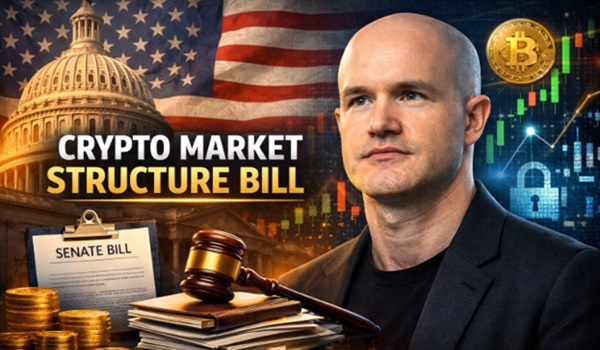
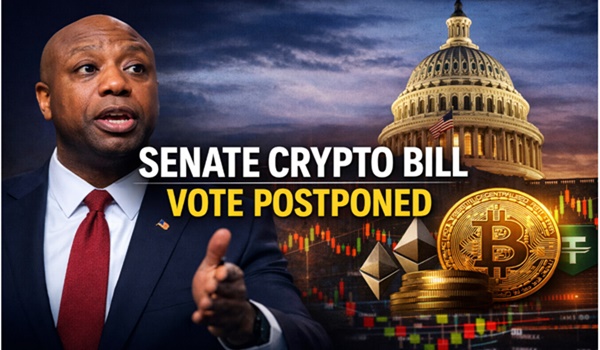
The comments follow Coinbase’s January 14 decision to withdraw support for the Senate Banking Committee’s draft, which prompted Chairman Tim Scott to postpone a planned January 16 markup.
In a post on X, Armstrong cited multiple concerns:
- Diminished oversight for the Commodity Futures Trading Commission
- Restrictions that could eliminate tokenized equities,
- Expansive rules on decentralized finance potentially granting government access to user data
- Amendments curbing rewards on stablecoins like USDC
He described the package as potentially worse than maintaining the status quo, where the industry operates under patchy enforcement from agencies like the Securities and Exchange Commission.
The Stablecoin Yield Conflict and Industry Divisions
Stablecoin provisions emerged as the primary sticking point. The draft bars crypto firms from paying interest on customer holdings but permits certain transaction-based rewards. Banking groups, worried about deposit outflows, advocated for stricter limits. An amendment from Senators Angela Alsobrooks and Thom Tillis sought to tighten those allowances further.
For Coinbase, stablecoins represent significant revenue: In the third quarter of 2025, they accounted for about 20% of total income, equaling roughly $355 million, largely from USDC-related yields.
The pullback exposed divisions within the crypto sector, which invested nearly $250 million in the 2024 elections to secure favorable policy under Republican control of Congress and the presidency.
While Andreessen Horowitz partner Chris Dixon urged advancement of the bill, others like Digital Chamber of Commerce CEO Cody Carbone warned that infighting undermines leverage on Capitol Hill.
White House crypto adviser Patrick Witt responded sharply, cautioning that rejecting the draft risks a harsher version under potential future Democratic leadership. “You might not love every part of the Clarity Act, but I can guarantee you’ll hate a future Dem version even more” he wrote.
Reports suggested administration frustration with Coinbase’s move, labeling it a “rug pull,” though Armstrong denied any rift, stating such claims were inaccurate.
Legislative Alternatives and the Push for Momentum
Analysts adjusted expectations accordingly. Bloomberg Intelligence’s Nathan Dean reduced his forecast for passage in the first half of 2026 to 60% from 70%, noting that delays into February or March could lower odds more.
Meanwhile, the Senate Agriculture Committee advanced its own proposal on January 21. The 161-page Digital Commodity Intermediaries Act focuses on CFTC-regulated assets, sidestepping some Banking Committee disputes like stablecoin details. Chairman John Boozman called for progress, with a markup set for January 27, though it lacks Democratic co-sponsors so far.
This push builds on prior momentum. The House approved its Clarity Act version, H.R. 3633, in July 2025 with bipartisan backing, establishing a framework to classify tokens as securities or commodities and split regulatory duties between the SEC and CFTC. Senate talks incorporated banking input late last year, altering the landscape.
Global Tensions and the Future of U.S. Regulation
Armstrong’s involvement underscores the bill’s stakes. Clear rules could boost institutional investment, enhance market stability, and position the U.S. as a leader in digital assets.
During a Davos panel, he clashed with Bank of France Governor François Villeroy de Galhau over yields and Bitcoin’s role, highlighting global tensions but affirming the need for balanced regulation.
As negotiations resume, the industry watches whether Armstrong’s diplomacy yields revisions.
For now, the legislation remains paused amid other priorities like housing policy, leaving crypto’s regulatory future uncertain in early 2026.


 eabungana@gmail.com
